
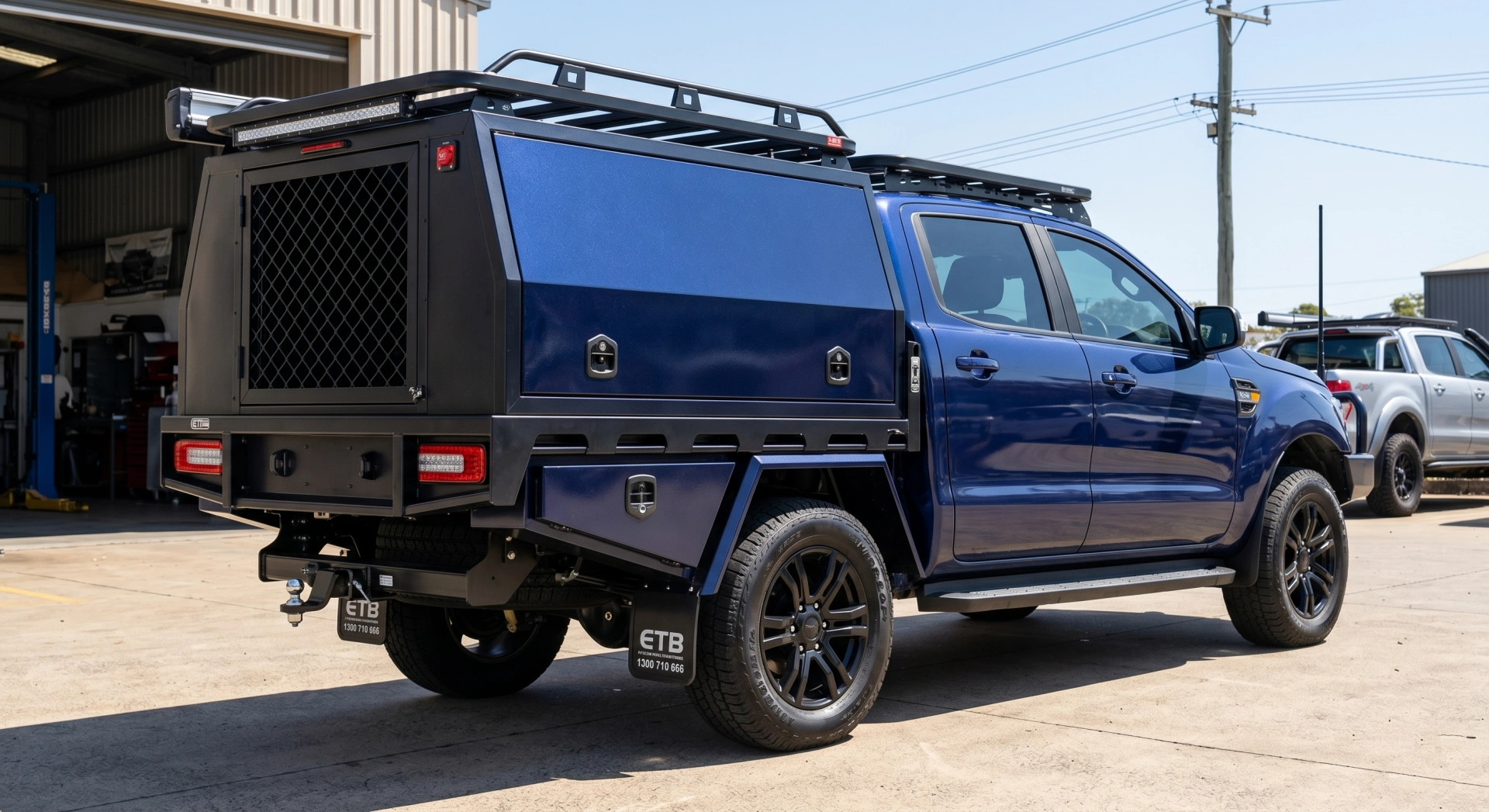
Getting your ute tray dimensions wrong before buying a toolbox is an expensive mistake. The wrong size means wasted tray space, rattling gear, or a box that simply won't fit at all. This guide gives you simple answers on how to get the right setup for your vehicle.
Here's how to measure up, what each popular ute offers, and the find the right ute toolbox size and style for your setup.
Quick Takeaways
- Always measure your specific tray. Ute tray dimensions vary by model, year, and variant
- The space between wheel arches is the most critical measurement for undertray and side toolbox fitment
- Factory tubs and aftermarket trays have different dimensions, so don't assume they match
- Tray-back utes give you far more flexibility for toolbox placement than tub-style pickups
- Custom sizing makes sense when you're running multiple boxes or a non-standard tray
Think About Access and Use Before You Measure
Before pulling out the tape measure, get clear on how you actually use your ute. A side toolbox works great if you need quick grab-and-go access throughout the day. A gullwing canopy suits tradies who want all their gear in one locked, weatherproof space. Undertray options keep the tray bed clear for materials.
Consider:
- What you're storing. Long-handled tools need length, power tools need depth, and small consumables need compartments
- How often you need access. Daily grab items want side access; gear you rarely touch can go undertray
- Whether you're also carrying materials. If sheets, pipe, or timber go in the tray, a full canopy isn't practical
- Security. Aluminium toolboxes with locking mechanisms protect tools on a busy job site, or consider adding a toolbox remote alarm and siren for extra peace of mind
How to Measure Your Ute Tray Dimensions
You can’t rely on published specs alone, so measure the actual tray on your vehicle. Aftermarket trays, tub liners, and trim variations all affect real-world fitment.
Measure these four dimensions:
- Internal tray length: front wall to tailgate (inside edge to inside edge)
- Internal tray width: side to side at the narrowest point
- Between wheel arches: the usable flat width on the tray floor
- Tray depth: floor to top of the tray side wall
Always add 20–30mm clearance on each dimension when selecting a toolbox. You want the box to fit without forcing it, and allow room for mounting hardware.
Ute Tray Dimensions by Model
The table below covers dual-cab tub dimensions for Australia's most popular utes. All measurements are approximate internal tub dimensions. Figures vary by variant and model year, so always verify against your specific vehicle.
|
Model |
Length |
Width |
Depth |
Between Arches |
|
Ford Ranger |
~1547mm |
~1584mm |
~529mm |
~1224mm |
|
Toyota HiLux |
~1570mm |
~1645mm |
~481mm |
~1105mm |
|
Isuzu D-MAX |
~1571mm |
~1530mm |
~490mm |
~1120mm |
|
Mazda BT-50 |
~1469–1509mm |
~1490–1560mm |
~519mm |
~1134mm |
|
Mitsubishi Triton (MV 2024+) |
~1555mm |
~1545mm |
~528mm |
~1135mm |
|
Nissan Navara (D23) |
~1509mm |
~1560mm |
~519mm |
~1134mm |
|
Kia Tasman |
~1512–1573mm |
~1572–1600mm |
~540–543mm |
~1186mm |
A few things worth noting from this data:
- The Ford Ranger and Kia Tasman have the widest between-arch gap. The Ranger's 1224mm is wide enough to fit a standard Australian pallet (1165mm × 1165mm) flat on the tray floor, which affects materials delivery
- The Toyota HiLux has a relatively shallow tub at 481mm. It pairs well with a ¾ opening side toolbox that maximises depth without sacrificing bed access
- The D-MAX and Triton sit mid-range on most measurements, solid candidates for undertray toolboxes that keep the full tray clear
- BT-50 and Navara share similar proportions. They’re compact but workable for side or undertray setups
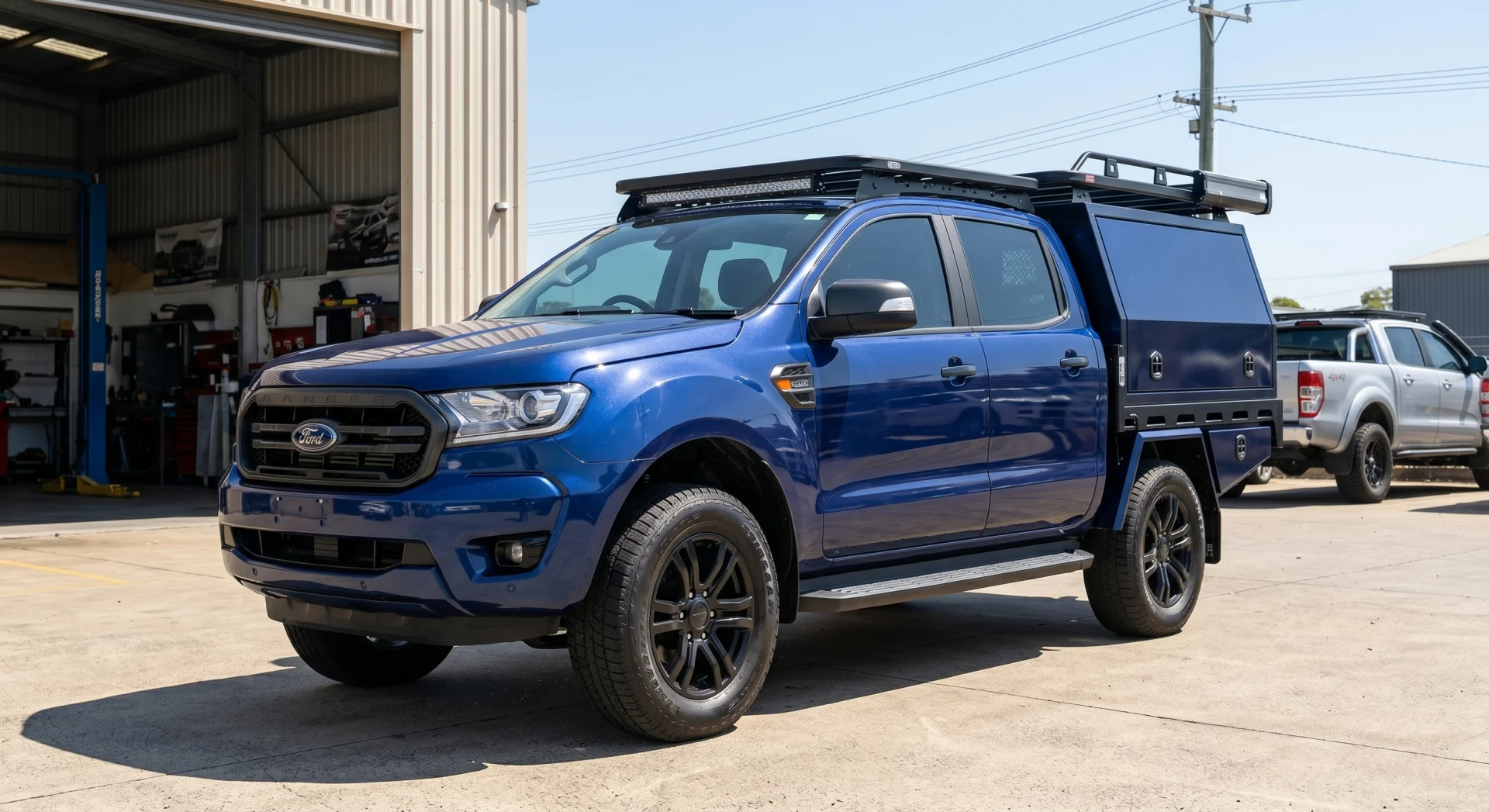
If you're running a tray-back rather than a factory tub, measure the tray itself. Aftermarket alloy trays typically sit wider and flatter than the factory tub, which opens up more options for gullwing canopies and full-length storage systems.
When Standard Sizing Works and When to Go Custom
Off-the-shelf toolboxes cover most scenarios. Standard widths (typically 1200mm, 1350mm, or 1500mm) suit the majority of dual-cab ute trays without modification. Match the toolbox length to what fits between your wheel arches or along your tray side rail, and you're sorted.
Go custom when:
- You're running multiple boxes side-by-side and need exact spacing
- Your tray has non-standard tie-down positions or cutouts
- You want a full undertray system with specific chassis clearances
- You're building a complete canopy-plus-undertray setup and need everything to integrate cleanly
Get the Right Setup for Your Ute
The Tools in a Box range covers everything from side toolboxes and undertray options to full gullwing canopies, with sizing to suit Australia's most popular dual-cab utes. If you're not sure what fits your specific model and tray configuration, reach out directly, and the team will help you work through the dimensions to find the right ute toolbox size.